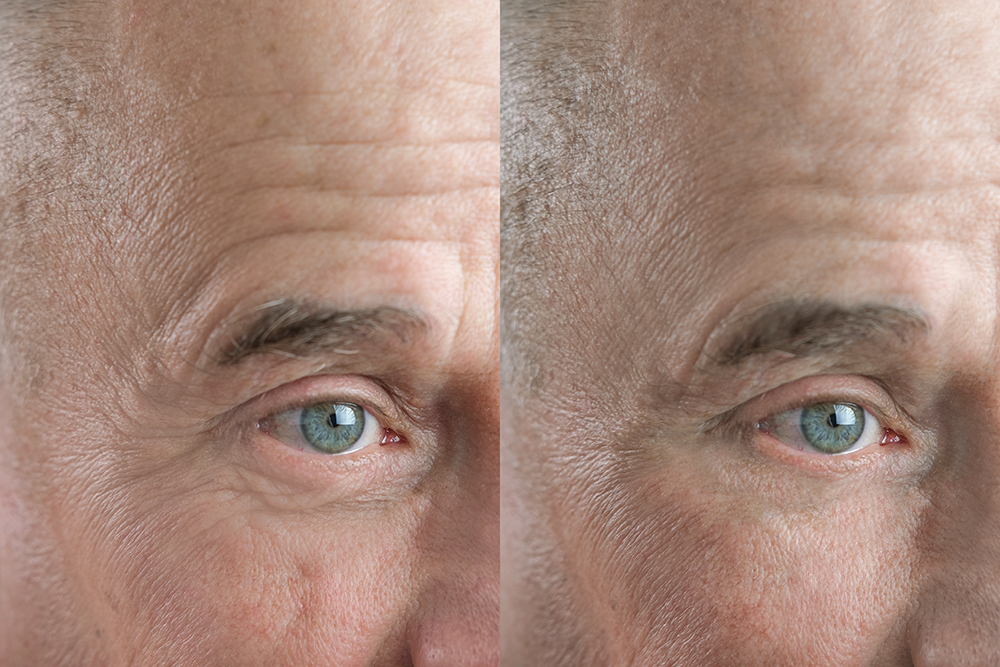
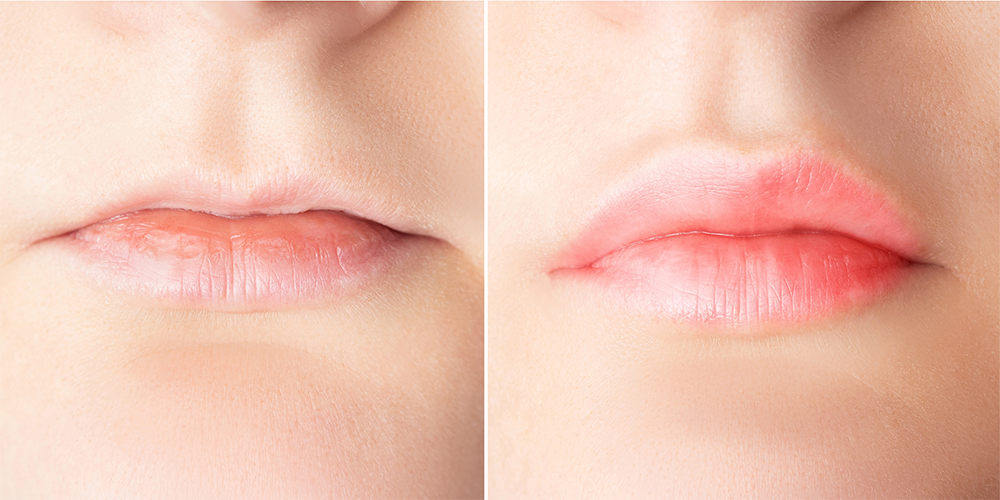
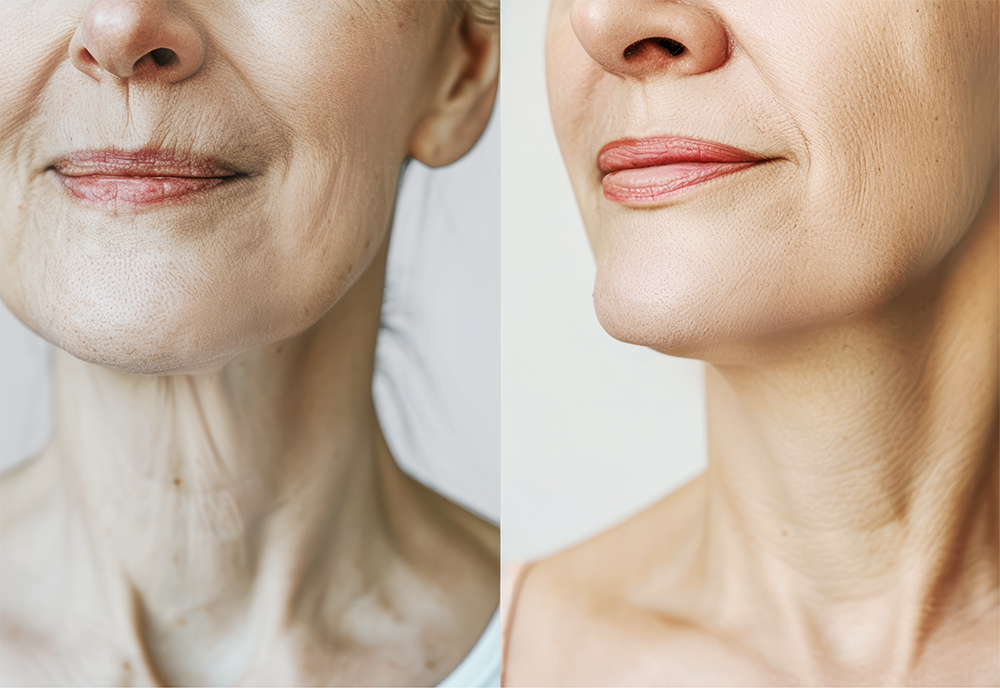
The central biological driver of skin aging is the steady decline of collagen (which provides structure and strength) and elastin (which provides the “snap back” or bounce).
These proteins, collagen and elastin, are produced by specialized cells called fibroblasts. As we age, these cells become less active and less efficient.
Collagen Natural Decline: Starting in our mid-20s, the body’s natural production of collagen begins to drop by approximately 1% to 1.5% annually.
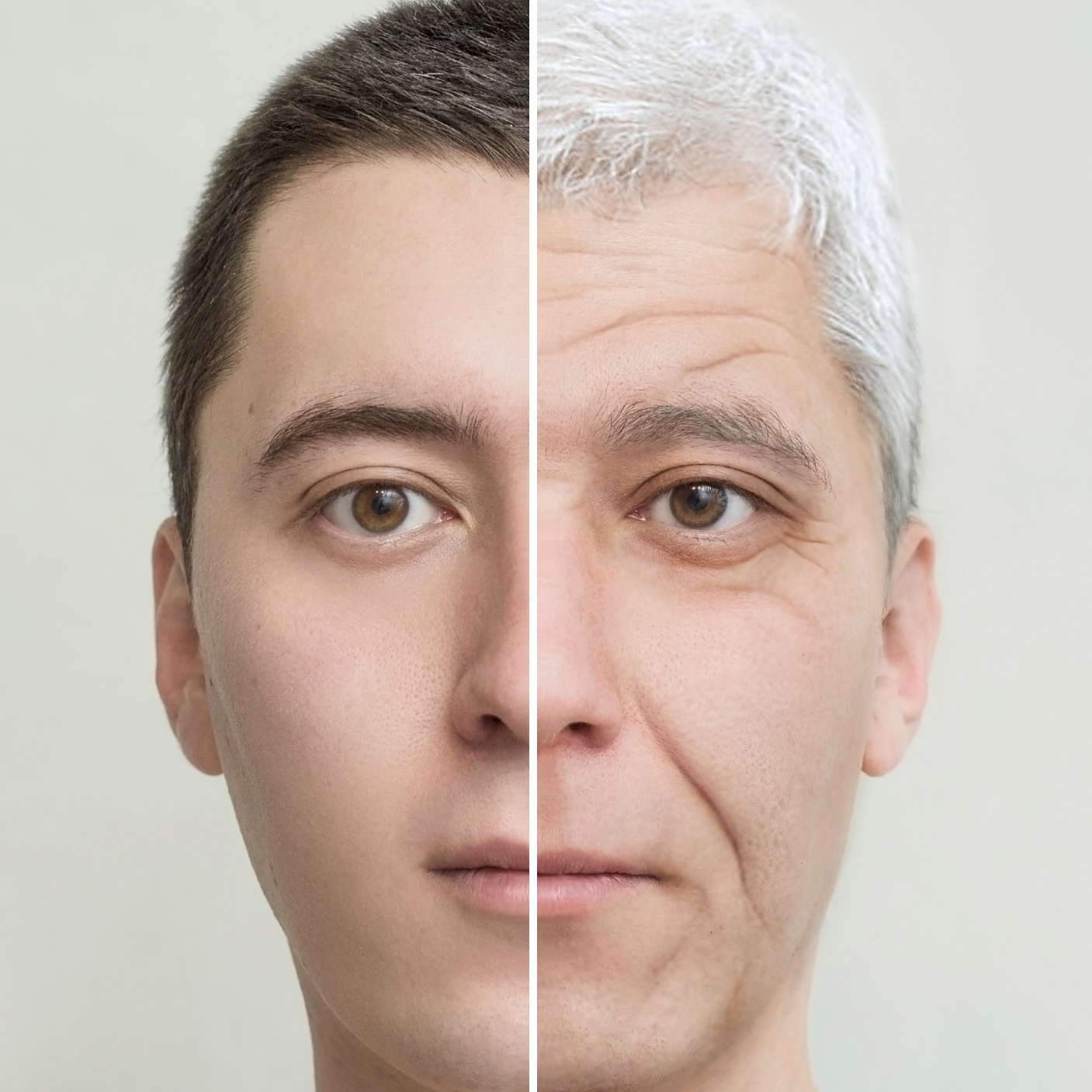
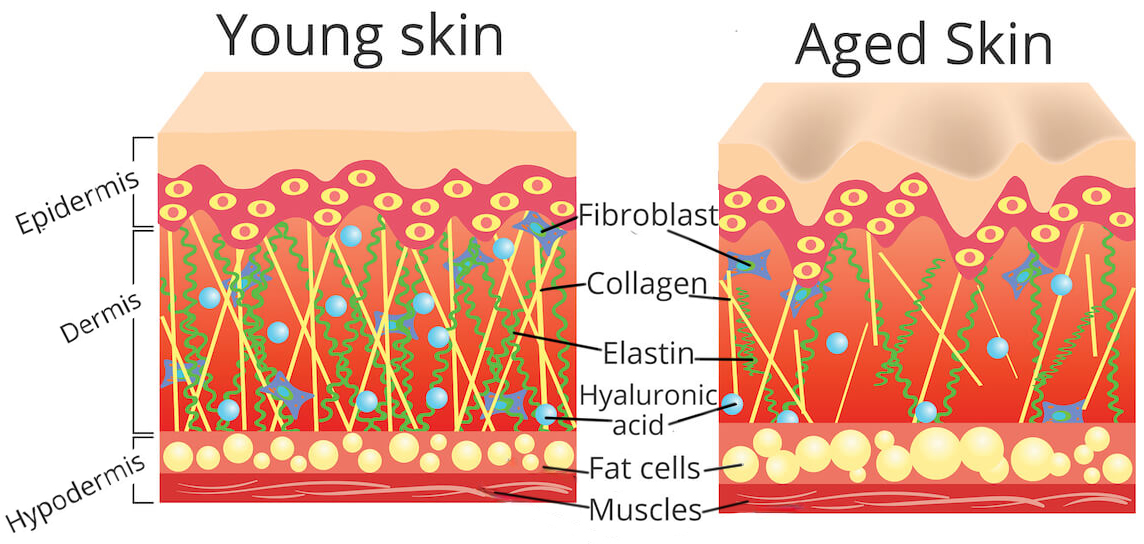
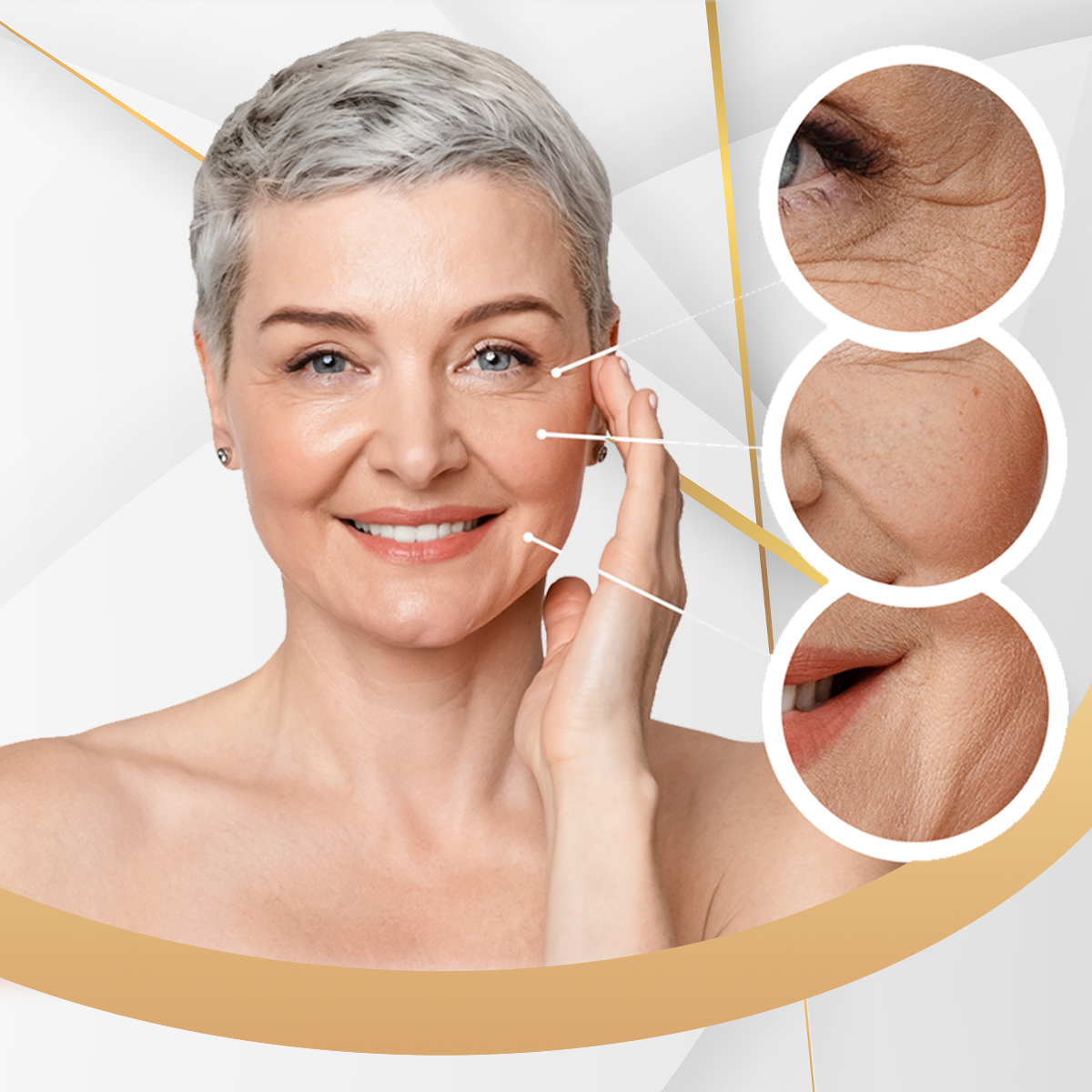
As we age, existing collagen fibers become fragmented and loosely distributed, leading to the visible formation of fine lines, wrinkles, and sagging. Repetitive facial movements such as smiling, laughing, and frowning are a primary cause of dynamic wrinkles. Because the aging skin is less flexible, it eventually loses its ability to return to an “expressionless” state. Over time, these expressions contribute to the formation of permanent static wrinkles.
While aging is a biological inevitability, factors such as stress, lifestyle habits, and an unhealthy environment may also contribute to premature skin aging. The Skin Cancer Foundation notes that 80% to 90% of visible skin changes attributed to aging are actually caused by the sun.
As of early 2026, Botox remains a leading and widely used treatment in both the cosmetic and medical fields. Botox® is FDA-approved and the most recognized brand name for a neurotoxin derived from Clostridium botulinum. Botox works by temporarily blocking nerve signals to specific muscles. When injected in small, controlled doses, it prevents muscles from contracting fully. This relaxation of muscles is key to its effects.
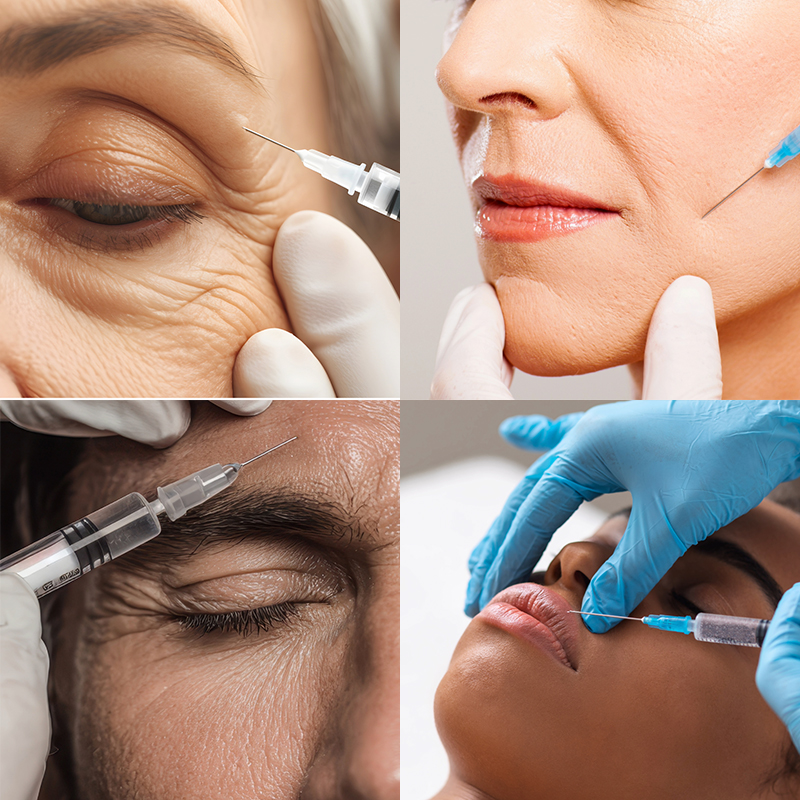
In Cosmetic: The most popular use is to reduce the appearance of facial wrinkles and lines caused by muscle movement, such as: frown lines between the eyebrows (glabellar lines); crow’s feet around the eyes (lateral canthal lines); forehead lines (frontalis lines).
Botox® is a minimally invasive cosmetic treatment involving a series of small injections into the target muscles. The procedure is relatively quick and typically causes minimal discomfort. A topical anesthetic may be applied to your treatment area Before your Botox® treatment begins. There is no formal downtime or recovery period needed following your appointment.
The effects of Botox usually become visible within 3–7 days. The results are temporary, typically lasting between three to four months, though this can vary depending on the individual, the area treated, and the dose used. Regular treatments are needed to maintain the effect.
Get Started